
When you think of Africa it is hard to not imagine Lions, Elephants, Zebra, and the other Savannah grassland animals. These animals can be found around the world in zoos and because of their unique attributes and the mystery within them, they’re often used as ambassadors to the African continent. From blockbuster Disney movies like the Lion King to the national geographic series Planet Earth, the allure of the iconic African Safari animals is known the world over. This imagery in addition to the curiosity our culture has created for these iconic animals helps to support a massive tourism industry in Africa.
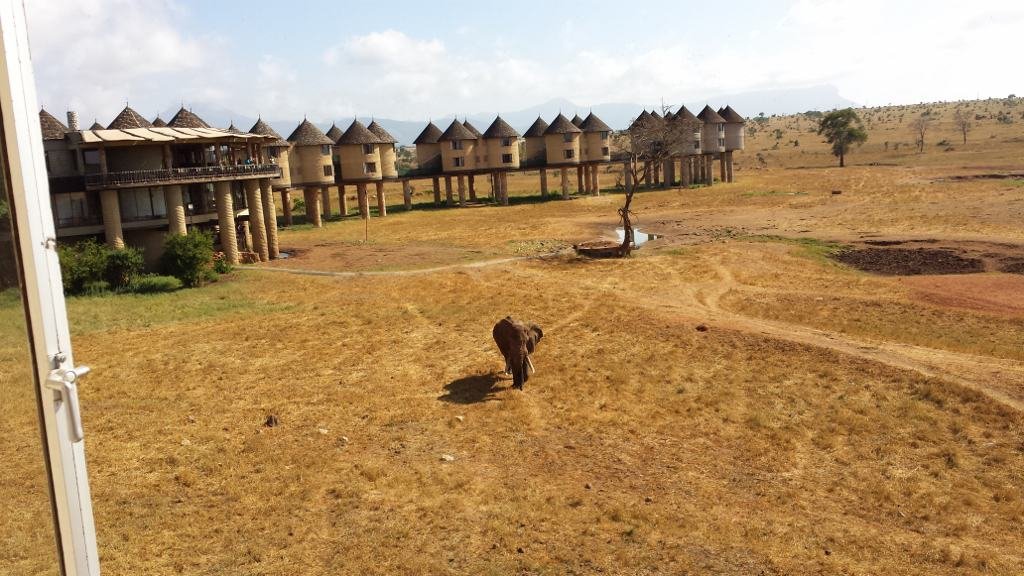 Tsavo Safari Lodge, Kenya
Tourism and specifically Safari tourism are significant contributors to several country’s GDP (Gross Domestic Product) accounting for upwards of nearly 15% in Rwanda and 10% in Kenya. Travel to the African continent is approaching 70 Million visitors annually and Africa is now the second fastest growing travel market in the world. With the influx of new tourists, the desire to enjoy a Safari will only continue to grow. However, with the dynamic African tourism industry of tropical beaches, bustling centers of commerce, rainforest, deserts, and volcanoes, Safari’s are still among the most popular destinations.
Unfortunately, tourists will often focus a trip exclusively on visiting Safari country and commit 5,7,10,14 or even 21 days to see all there is to experience in the “bush” (a term used to describe the wild outdoors). I can understand the desire to complete a bucket list adventure of experiencing a Safari however, I would NOT recommend a new traveler or tourist to Africa committing so much time to that experience exclusively. It’s rather easy to add a Safari onto a trip and make it a part of a larger experience. Think of adding a safari on as dessert or maybe as an extra side item to the larger meal of traveling to Africa.
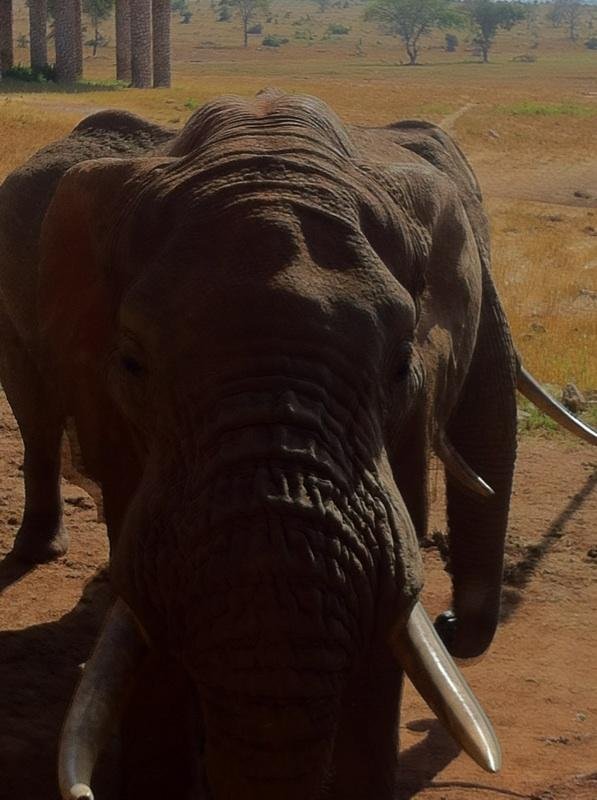 Elephant Greeting while on Safari
4 Reasons why you don’t want to do a long Safari:
- Increased trip cost- Safari’s are typically in national parks and in remote areas of a country. All resources including the critical ones such as food, water, and shelter all have to be brought to that remote location and because that isolated remote location only operates for a small number of people staying at the lodge (hotels in national parks) that cost of transporting those resources has to be spread among a small number of users. This means that the cost to stay at a lodge is dramatically higher per night and that will drive up the overall cost of your trip.
- Waiting time- The challenge with safaris is that you are at the whim of the animals. The tours out onto the bush will typically happen at certain intervals during the day. Due to the extreme heat during the day most animals will seek the shade and are not active in an effort to stay cool. The mornings and the evenings or times when the sun is less intense are the periods when the wildlife is most active. Lastly, the predators wait for the cover of night to do most of their hunting so the only times to really enjoy the animal wildlife are prescheduled times. When you aren’t in a Safari vehicle you are really spending your time waiting for a period when the wildlife is more active.
- Increased risk for sickness- The more time you spend outdoors the higher the probability you will be bitten by bugs and have a higher risk of becoming ill. You will have to be more diligent with bug spray, light long sleeve or pant clothing, and possibly have additional vaccinations as a precaution if you choose to spend more time in the bush conditions.
- You are missing out- There is so much more to Africa than what is shown on National Geographic or from the images that you see in the media. Cut the safari time short and experience more of the continent, add an extra stop or another destination. Utilize the funds you would spend at a Safari lodge and enjoy two or three extra nights in a metropolitan city, a tropical oasis, wine vineyards, a spice farm, and more. There is more of Africa to be desired and experience and Tikur Travel can help you discover it.
Recommended Safari Options
For your first Safari, I would recommend 3 days or less. Yes, it is possible to do a Safari that is less than 3 days, for example, an overnight Safari. You can travel to the Safari park and return the following day. However, this does require a significant amount of traveling in a short period of time often in a passenger vehicle. The journey can be more enjoyable if you turn the journey into an experience. Some of my fondest memories are from seeing the African landscape pass by from the road. Seeing the transition from a bustling city to the outer towns to the remote villages. The journey can be a transformative experience when you realize how blessed and privileged a life you have by exposing yourself to a different and dynamic environment.
If you would like our help planning a Safari use our Travel Concierge service and our team will design the optimum Safari and African cultural experience for your trip.
If you would like to explore options on your own we have these additional resources to help you plan a Safari as well.